All Episodes

Displaying 1 - 20 of 1241 in total

S14 #6

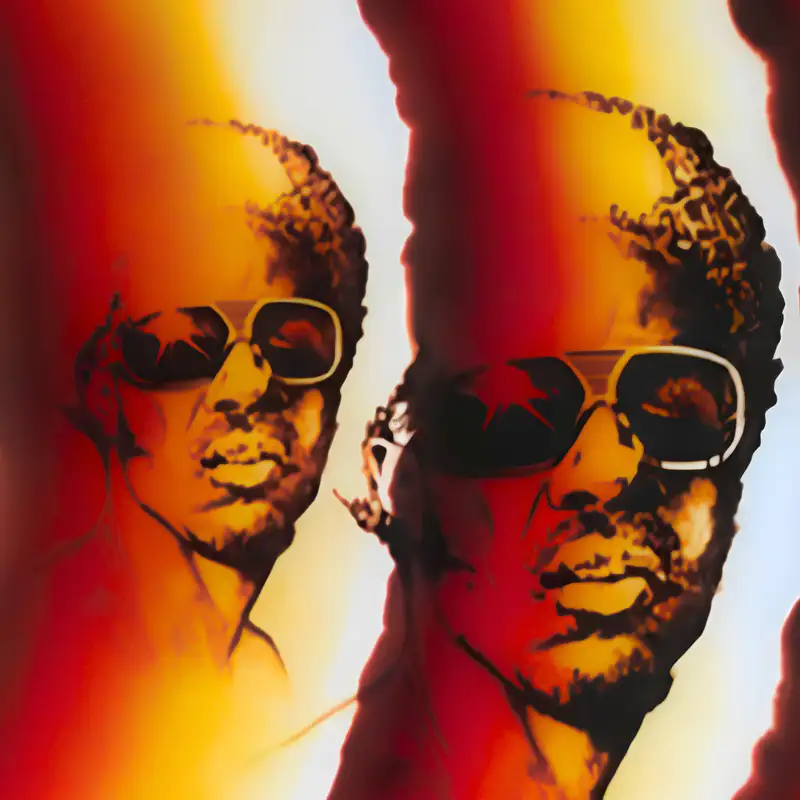
"Music of My Mind" – Stevie Wonder

What happens when you let a musical genius make the album of his dreams? You get Stevie Wonder's Music of My Mind (1972), the start of the greatest run in music history. Music of My Mind would be the first of a five-album run that formed Stevie Wonder's Classic Period, including Talking Book (1972), Innervisions (1973), Fulfillingness' First Finale (1974) and Songs in the Key of Life (1976).In this episode of You'll Hear It, jazz pianists Adam Maness and Peter Martin dive into every track on Music of My Mind, listening to isolated stems and breaking down the theory behind the songs. Plus - we talk about TONTO, the one-ton synthesizer Stevie used to create this record. And we dig into the innovative ways Stevie and collaborators Malcolm Cecil and Robert Margouleff mixed the album.-------------------------------Start your free Open Studio trial for ALLLLL your jazz lesson needs: https://openstudiojazz.com/yhi-------------------------------Related You'll Hear It episodes:Talking Book: https://youtu.be/ymcy3ot116w  Innervisions: https://youtu.be/mUYwIijL7s0Songs in the Key of Life: https://youtu.be/uk5x4-uTzj8 -------------------------------About You'll Hear It:In this popular music series, You'll Hear It, Adam and Peter break down the greatest albums of all time. Stevie Wonder, Michael Jackson, Joni Mitchell, D'Angelo: Jazz is the foundation of the most GENIUS music in recent history. These seasoned jazz pianists bring their deep musical knowledge to every joyful episode to help you hear the hidden qualities that make music AMAZING. You'll never hear music the same way again.-------------------------------Like the jam at the end of the show? Head to youtube.com/@OpenStudioMusic for more.00:00 - Stevie Wonder's Music of My Mind03:40 - Breaking Free: The Motown Contract Story05:35 - Finding TONTO: Malcolm Cecil & Robert Margouleff08:45 - What Was TONTO? The Technology Explained09:20 - How Stevie Wonder Met Cecil & Margouleff12:00 - "If You Really Love Me" - Stevie's Motown Sound16:40 - What Albums Belong in the Run?19:10 - "Love Having You Around"22:20 - Isolated Breakdown: Vocals, Talk Box, Rhythm Section27:35 - Stevie Made Albums Different32:10 - "Superwoman (Where Were You When I Needed You)"36:25 - The Greatest Transition EVER41:45 - Innovation Behind the Mix44:10 - Ad Break: Learn to play like Stevie Wonder45:18 - "I Love Every Little Thing About You"52:55 - "Sweet Little Girl"56:14 - "Happier Than the Morning Sun"1:00:53 - Find more performances from Adam and Peter at Open Studio Music1:01:58 - "Girl Blue"1:09:28 - "Seems So Long"1:11:49 - "Keep on Running"1:15:52 - "Evil" - The biggest moment on the album1:21:10 - This One is for the Math Nerds About Music 1:23:05 - Categories1:29:05 - Better Than Innervisions? / Up Next1:32:05 - More from You'll Hear It: You'll Read It1:32:40 - Open Studio plays "Superwoman"
S14 #4

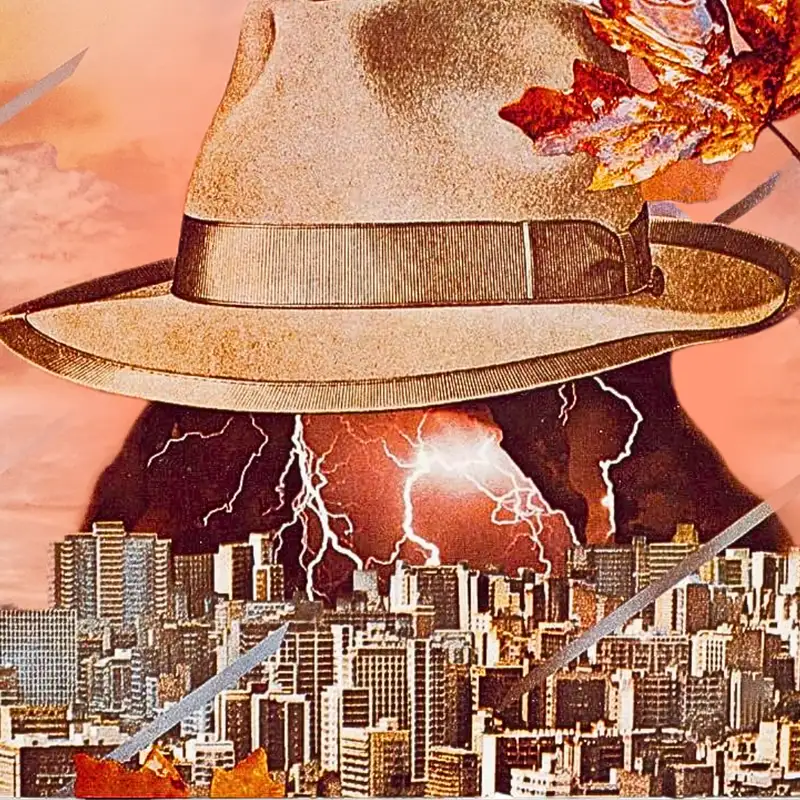
"Charlie Parker with Strings" – Charlie Parker

Charlie Parker was punk rock before there was punk rock. His bebop was underground music: subversive, intellectual, and a major departure from popular music of the day (think: Nat King Cole, The Andrews Sisters, Perry Como). He was an intellectual heavyweight, nearly untouchable in his technical ability and pushing music to places no one else was daring to go. So where did Charlie Parker with Strings, his most accessible album, come from?It's not Bird going commercial, like some have claimed. Charlie Parker with Strings is an album he fought to make. He loved Bach and Stravinsky (even quoting the opening of Stravinsky's 'Firebird Suite' mid-solo in one legendary performance), and had longed to make a record where his jazz saxophone was accompanied by strings.The resulting record is music's greatest improviser at his best. Jazz pianists Peter Martin and Adam Maness listen to select tracks (like "Just Friends" and "Summertime"), breaking down the theory behind the music to understand what makes this album great. Jazz is the foundation of the most GENIUS music in recent history: Stevie Wonder, Michael Jackson, Joni Mitchell, D'Angelo. In this popular music series, You'll Hear It, Adam and Peter break down the greatest albums of all time. These seasoned jazz pianists bring their deep musical knowledge to every joyful episode to help you hear the hidden qualities that make music AMAZING. You'll never hear music the same way again.Like the jam at the end of the show? Head to @openstudiomusic on YouTube for more.Visit openstudiojazz.com for ALLLLL your jazz lesson needs.00:00 - Intro: Charlie Parker with Strings01:10 - "Just Friends"04:40 - Want to Be a Great Musician? Study This Track10:20 - Early Recording: "Swingmatism" (1941)12:45 - The Secret to Charlie Parker's Genius: Practice15:20 - The Savoy Sessions: "Now's the Time" & Young Miles Davis18:20 - The Contrafact Built in Real Time21:45 - "Koko": Miles Davis Couldn't Play It?!24:30 - Musicians NEED to Listen to This27:15 - Think Parker Sold Out? Think AGAIN28:55 - "April in Paris": Parker's Chosen Tune33:55 - About Mitch Miller's Oboe ... 38:25 - "Summertime"44:10 - "Out of Nowhere"46:35 - We Have An Album! 47:20 - "East of the Sun"53:00 - "I'll Remember April"55:50 - Categories: Desert Island Tracks56:35 - The BEST Moments on Strings1:11:10 - Open Studio Plays "Just Friends"
S14 #3

"Gaucho" – Steely Dan

Is Steely Dan's Gaucho more perfect than Aja? Maybe even ... too perfect? Two years in the studio. The greatest session musicians alive asked to play take after take after take until it was exactly right. And sometimes that STILL wasn't enough for Donald Fagen and Walter Becker.On today's episode of You'll Hear It, jazz pianists Peter Martin and Adam Maness are breaking down the 1980 album track by track: the jazz harmony hiding inside those smooth grooves, the abstract poetry of the lyrics, and the insane stories behind how this thing got made. Including the $150,000 drum machine invented specifically for this record, the interview quote that cost them a third of a song, and the drum track that took 85 takes and 35 tape edits to piece together.And after all that, we didn't get another Steely Dan record for 20 years.Was it worth it?Read about the simple mistake that would haunt Steely Dan for 44 years in this week's edition of the You'll Read It newsletter: https://youllhearit.com/newsletterWatch our FULL breakdown of Steely Dan's Aja: https://youtu.be/G10mYohR6T400:00 - Steely Dan's Gaucho: A Monument to Perfect01:15 - "Babylon Sisters"11:00 - What Makes Steely Dan Genius13:35 - The Precision of Purdie's Drums on Babylon Sisters16:10 - Abstract Lyrics19:35 - "Hey Nineteen"22:25 - Pristine Rhodes25:25 - Isolated Vocal Stems on "Hey Nineteen"33:00 - "Glamour Profession"38:55 - The Mingus Influence40:10 - "Gaucho"43:20 - The Keith Jarrett Lawsuit48:50 - Gaucho Chorus Deep Dive54:10 - "Time Out Of Mind"57:50 - Monument to Perfectionism (Lead Boots)1:01:35 - Perfectionism and Jazz1:05:05 - Is Gaucho More Perfect Than Aja?1:06:25 - "My Rival"1:10:40 - Bowie / Steely Dan Side-By-Side1:14:00 - Too Fussy?1:19:05 - Open Studio Plays "Glamour Profession"
S14 #2

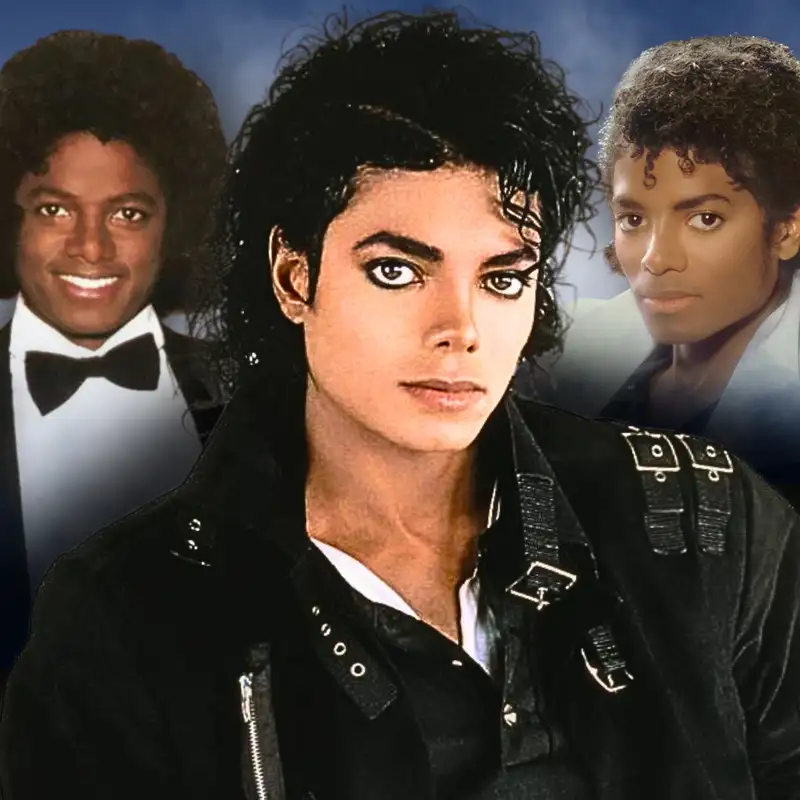
"Bad" – Michael Jackson

The Impossible follow-up: Michael Jackson's 1987 album Bad. Five years after Thriller changed everything, Michael returned with a record that would become one of the best-selling of all time, win two Grammys, feature some of the greatest musicians in the world (hey, Stevie Wonder!) ... and somehow still gets called a letdown. We've covered two of Michael's albums produced by Quincy Jones: Off the Wall and Thriller. What about Bad? Could it actually be better than its predecessor? Jazz pianists Peter Martin and Adam Maness deliver their final verdict on this 80s pop sensation.Along the way, you'll hear behind-the-scenes stories about the making of the album. Plus - we break down the tracks (with keyboards) to highlight the music theory behind this album's most compelling moments. “Annie, are you OK?” Sometimes the best hooks come from the strangest places - find out where in the YHI newsletter: https://youllhearit.com/newsletter00:00 - Intro: "Smooth Criminal" - Michael Jackson01:30 - Michael Jackson's Bad (1987)6:40 - Quincy's Smaller Role on Bad7:50 - The Quincey Jones Brain Trust11:00 - "Bad" - Tough Guy Michael15:00 - Too Much Programming?18:40 - That Organ Solo? Jimmy Smith!22:40 - The Tragedy Behind Bad23:45 - "The Way You Make Me Feel" - Sweet Michael29:15 - How WE Really Feel (About Bad vs Thriller)30:30 - "Speed Demon" - A Nostalgic Track31:55 - Can We Be Honest?32:50 - "Liberian Girl" - The Mid-Album Dip35:30 - "Just Good Friends" - Stevie Can't Save It41:00 - "Another Part of Me" - Pure Joy45:00 - How "Man in the Mirror" Got Its Name45:55 - "Man in the Mirror" - The Apex53:00 - Why We Don't See Songs Like This Today57:30 - "I Just Can't Stop Loving You" - Rejected By Babs1:01:00 - "Dirty Diana" - Phil Collins Vibes1:02:50 - "Smooth Criminal" - That's MJ's Heartbeat!1:06:25 - "Leave Me Alone" - The Shuffle1:09:15 - Apex Moments: Phillinganes and That "Woo!" 1:10:55 - Final Verdict: Bad vs Thriller1:14:05 - Open Studio Plays "Smooth Criminal" 
S14 #1

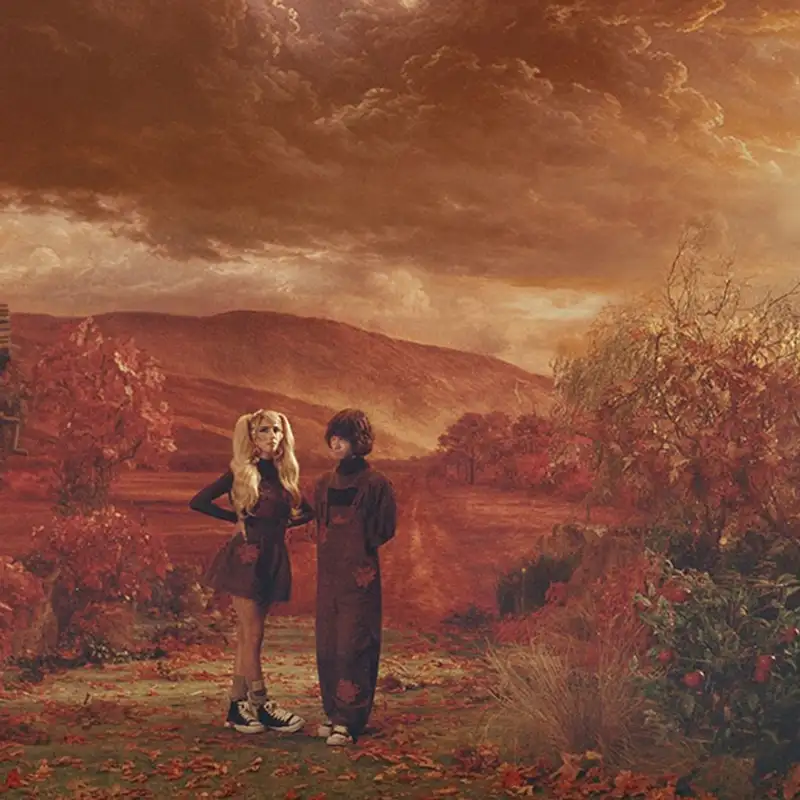
"Tapestry" – Carole King

Carole King’s Tapestry is so cozy, you'll want to hug it; sit with it. It sounds simple, warm, and totally unassuming. But it’s way more impressive than it seems at first.Adam and Peter break down what’s actually going on beneath the surface of Tapestry ... and what most people miss. Carole King was already an elite songwriter long before this album. You know Aretha Franklin's “(You Make Me Feel Like) A Natural Woman”? Carole wrote that. “Will You Love Me Tomorrow” by The Shirelles? She wrote that, too. When she was just 17! Listen closely and you hear it everywhere: in the chord choices, in the way the she actually PLAYS the piano instead of just accompanying her vocals, and in the way her melodies and lyrics lock together so naturally you barely notice how intentional it all is. Add in that soulful, sweet voice, and you start to understand how this unassuming record became a chart-topping, Grammy-dominating classic when it came out in 1971.Tapestry sounds easy, but it's not. Check out this episode, and you'll never hear this album the same way again. Get our newsletter for bonus stories that didn’t make the pod:https://youllhearit.com/newsletter00:00 - Opening Tune: It's Too Late01:25 - Introducing Carole King's Tapestry05:00 - That Time Young Paul Simon and Carole Played Together07:10 - Carole's Early Doo-wop Sound10:20 - "(You Make Me Feel Like) A Natural Woman" - Aretha Franklin13:30 - When Songwriter Became Performer16:30 - B.B. and Carole 18:00 - "I Feel the Earth Move"22:00 - "So Far Away"30:45 - "It's Too Late"40:50 - "Home Again"44:00 - "Beautiful"45:35 - "Way Over Yonder" 50:00 - "You've Got a Friend"58:20 - "Where You Lead"1:02:30 - "Will You Love Me Tomorrow"1:04:40 - "Tapestry"1:08:45 - "(You Make Me Feel Like) A Natural Woman"1:13:10 - Apex Moments of Tapestry1:21:20 - Coming Up On on You'll Hear It1:22:00 - Outro: "It's Too Late"
S13 #23

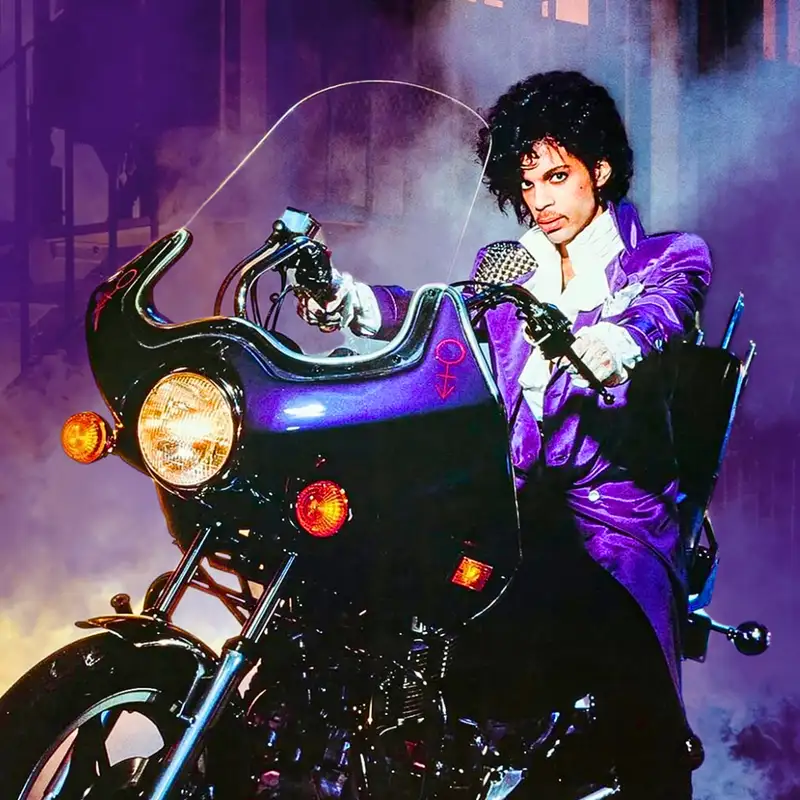
"Sign o' the Times" – Prince

Prince's Sign O' the Times is one of our most requested albums at You'll Hear It. But, there is a certain window of millennial that doesn't really "get" Prince. If that’s you, this episode is your on ramp into his music. We start with Prince's earliest albums, tracing his incredible run from 1978 through to 1986. By the time we hit 1987 (around the time our dear mid-millennials were born), you can hear exactly why Sign O’ the Times has become so beloved by critics and music-lovers alike.If you’re already a Prince fan (like us!), get comfy. Put on your purple rain coat. We talk through the influences we hear all over this music: James Brown, Marvin Gaye, Parliament, Earth, Wind & Fire. We share our apex moments from Sign O’ the Times. And yes… we’ve got a few quibble bits too.We'll be taking a short break in January, and returning with more great episodes in February 2026. We'll be dropping a few special episodes in the meantime, so keep an eye on the feed. 00:00 - Intro Jam: "U Got the Look"02:10 - Welcome + New at Open Studio03:50 - Coming Up Next Season05:10 - How We Make Decisions for the Show08:35 - Why "Sign O' the Times"?11:35 - "Soft and Wet" from For You (1978)14:50 - "I Wanna Be Your Lover" from Prince (1979)17:50 - "Head" from Dirty Mind (1980)19:15 - "Controversy" from Controversy (1981)22:35 - "1999" from 1999 (1982)25:15 - "Purple Rain" from Purple Rain (1984)28:40 - "Raspberry Beret" from Around the World in a Day (1985)29:45 - "Kiss" from Parade (1986)40:20 - "Sign O' the Times"45:40 - "Housequake" 47:20 - "The Ballad of Dorothy Parker"51:50 - "Starfish and Coffee"53:05 - "Slow Love"55:20 - "Hot Thing"57:10 - "U Got the Look"59:25 - Miles on Prince1:02:25 - "If I Was Your Girlfriend"1:04:00 - "Strange Relationship"1:05:20 - "The Cross"1:08:00 - "Adore" 1:09:50 - Apex Moments1:14:55 - Categories1:19:35 - Snobometer1:23:55 - Coming Up on YHI1:24:20 - Outro Jam: "U Got the Look"
S13 #20

The Peter Martin x Strong Songs Interview

How much do you know about Peter Martin? In this conversation with Kirk Hamilton of the Strong Songs podcast, Peter shares his musical influences and trajectory as a young jazz pianist. He brings us right back to the ’70s, ’80s, and ’90s with stories of meeting Wynton Marsalis, and playing with jazz legends like Betty Carter, Roy Hargrove and Joshua Redman.Plus, he shares his take on jazz education, the marathon runner's mindset and why anyone and everyone can play music.Check out the Strong Songs podcast: https://strongsongspodcast.com/Start your free Open Studio trial for ALLLLL your jazz lesson needs: https://osjazz.link/yhi 00:00 - Introducing Today's Episode02:50 - Peter's Strong Songs Interview06:00 - Peter's Musical Background08:00 - The Suzuki Method14:30 - Nurturing Talent 16:30 - How Peter Discovered Jazz20:30 - Meeting Wynton Marsalis27:00 - The Midwestern Jazz Scene33:20 - Juilliard, Roy Hargrove and the Young Lions35:40 - Moving to New Orleans38:30 - The Economics of Jazz in the 90s40:00 - Playing with the Legendary Betty Carter44:30 - Jazz Musicianship Then and Now47:15 - Roy Hargrove and the Summer of '9452:15 - Joining Joshua Redman57:45 - Rethinking Jazz Education1:02:15 - The Marathon Runner's Mindset1:07:20 - Kenny Kirkland: Awe & Inspiration1:15:00 - Roy Hargrove, The RH Factor and Hard Groove1:20:00 - My Funny Valentine - Miles Davis1:25:00 - How to Find the Recommendations in this Episode
S13 #19

"The Miseducation of Lauryn Hill" – Lauryn Hill

The Miseducation of Lauryn Hill was one of the BIGGEST records of the 90s. When you sell 20 million records, like Lauryn Hill did, you're into mass market territory; you're selling records all over the world and reaching across genres. With Miseducation, Lauryn Hill struck a nerve with humanity.  How did she do it?As you'll hear in this episode, the album sounded unlike other chart-topping hits at the time. It features tons of acoustic instruments, beautiful chord progressions, Stevie Wonder vibes, palatable melodies, a D'Angelo cameo and deeply personal storytelling. And Lauryn Hill herself has the presence of an actor with the soul of an underground musician.Listen with us as we parse through Lauryn Hill's only album track-by-track to answer the question: What makes this album great? Start your free Open Studio trial for ALLLLL your jazz lesson needs: https://osjazz.link/yhi   00:00 - Intro Jam: "Doo Wop (That Thing)"02:05 - A Concept Album About Love04:55 – The Fugees, Sister Act II & Stardom07:40 - "Intro" + "Lost Ones"10:50 - “Ex-Factor”13:15 - "To Zion (Feat. Carlos Santana)"20:05 - "Doo Wop (That Thing)"21:45 - "Superstar"23:30 - “When It Hurts So Bad”25:50 - "I Used to Love Him (feat. Mary J. Blige)"33:00 - Hitting a Nerve with Humanity37:20 - "Every Ghetto, Every City"40:20 - "Nothing Even Matters"42:50 - "Everything Is Everything"45:10 - "The Miseducation of Lauryn Hill"47:30 - "Can't Take My Eyes Off of You - (I Love You Baby)"52:35 - Desert Island Tracks + Apex Moments1:01:50 - Up Next
S13 #17

"Songs in the Key of Life" – Stevie Wonder

Songs in the Key of Life stands apart, even next to the other four albums in Stevie Wonder's classic period. It resulted in the most hit singles: "I Wish", "Sir Duke", "As" and "Another Star". Chris Molanphy of the Hit Parade podcast leads us through this album's incredible charts story. Not only did it produce FOUR singles, but it inspired two other chart-topping hits: Coolio's "Gangsta's Paradise" and Will Smith's "Wild Wild West".Plus — Peter and Adam nerd out on the keys, dissecting every track to highlight the musical complexity that makes Songs in the Key of Life a favorite among jazz musicians. You may have heard Songs in the Key of Life ... possibly many times. But you've never heard it quite like this!Start your free Open Studio trial for ALLLLL your jazz lesson needs: https://osjazz.link/yhi   00:00 - Intro Jam: "As"02:13 - The Chart Story Behind SITKOL05:40 - The Long Wait for Songs in the Key of Life12:45 - "Love's In Need of Love Today"19:40 - Comparing Stevie to Prince20:30 - "I Wish"24:00 - The Ultimate Crossover Hitmaker27:25 - "Sir Duke"32:30 - Making Jazz Fun37:25 - "Passtime Paradise"40:00 - Stevie the Synth Innovator43:50 - How Stevie Commanded the Charts46:40 - How Was This Track Not a Hit Single?52:00 - This Hit Was NOT On an Album56:00 - The SITKOL Jazz Standard1:00:30 - "Another Star"1:04:05 - "As"1:15:00 - How SITKOL Singles Broke Ground1:22:20 - Our Favorite SITKOL Tracks1:25:35 - The Best Moments on SITKOL1:29:50 - Bespoke Spotify Playlists1:32:45 - What to Listen to Next1:35:20 - Quibble Bits1:37:50 - How "Snobby" is This Record?1:40:50 - Is it Better than Kind of Blue?1:42:40 - Packaging Gets a 10/101:45:00 - Outro: "As"
Previous Page

Displaying 1 - 20 of 1241 in total

Next Page